Anthem Blue Cross Collaborative Care (CoCM) Reimbursement Rates in California (2026)
Anthem Blue Cross pays California primary care practices a median of $345.38 for the first month of collaborative care, about twice Medicare’s 2026 rate. More than half of the same clinicians are paid less than Medicare for a 99214 office visit.
These rates come from three of Anthem’s September 2026 rate files for California, 25 gigabytes of pricing data. Together they cover 70% of the plans Anthem lists for California, across its main PPO and HMO networks, including Prudent Buyer PPO, CaliforniaCare HMO and Select HMO. Smaller rate files for the remaining plans are not included.
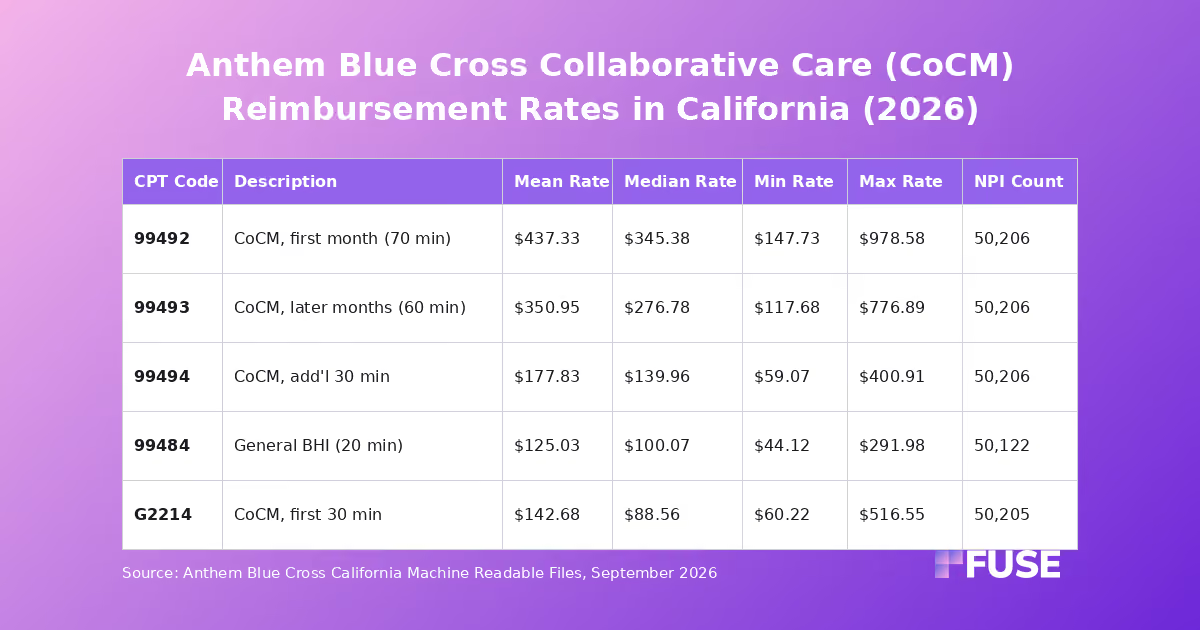
Anthem Blue Cross’s Negotiated Collaborative Care Rates in California
We kept dollar rates on professional claims in the office setting. We matched each NPI to the federal NPPES registry and kept family physicians, internists, pediatricians, primary care nurse practitioners and physician assistants, and primary care clinics that practice in California. That leaves 50,206 clinicians with a 99492 rate.
| CPT Code | Description | Mean Negotiated Rate | Median Negotiated Rate | Min | Max | Unique NPI Count |
|---|---|---|---|---|---|---|
| 99492 | Psychiatric collaborative care, first month, first 70 minutes | $437.33 | $345.38 | $147.73 | $978.58 | 50,206 |
| 99493 | Psychiatric collaborative care, later months, first 60 minutes | $350.95 | $276.78 | $117.68 | $776.89 | 50,206 |
| 99494 | Psychiatric collaborative care, each additional 30 minutes | $177.83 | $139.96 | $59.07 | $400.91 | 50,206 |
| 99484 | General behavioral health integration, at least 20 minutes a month | $125.03 | $100.07 | $44.12 | $291.98 | 50,122 |
| G2214 | Psychiatric collaborative care, first 30 minutes in a month | $142.68 | $88.56 | $60.22 | $516.55 | 50,205 |
Rates from three of Anthem Blue Cross’s September 2026 California machine readable files, covering 70% of its California plans.
Collaborative care, also called CoCM, pays a primary care practice for a care manager and a psychiatric consultant who treat a patient’s depression or anxiety alongside the primary care clinician. The codes pay by the month, based on the care manager’s time:
- 99492. The first month, built around 70 minutes.
- 99493. Each later month, built around 60 minutes.
- 99494. Each extra 30 minutes in either month.
99484 pays for lighter behavioral health care management without a psychiatric consultant. G2214 is Medicare’s code for a short month of collaborative care.
How Do Anthem’s Collaborative Care Rates Compare With Medicare in California?
Anthem pays about twice what Medicare pays. Medicare’s 2026 national rate for 99492 is $160.32, against Anthem’s median of $345.38.
Medicare adjusts its rates by region. In California its 2026 rate for 99492 runs from about $168 in most of the state to about $202 in San Francisco. Every 99492 rate held by 50,193 of the 50,206 clinicians in the files is higher than the San Francisco amount.
The later months follow the same pattern:
- 99493. Medicare pays $144.96 nationally. Anthem’s median is $276.78.
- 99494. Medicare pays $61.46 nationally. Anthem’s median is $139.96.
Medi-Cal pays less than Medicare. A review of state Medicaid fee schedules as of January 2026 by the Mental Health Treatment and Research Institute put Medi-Cal’s fee-for-service rates for 99492 and 99493 at 70% to 89% of Medicare’s.
A smaller set of groups have Anthem rates three to five times Medicare for collaborative care, and similar multiples for office visits. They pull the average for 99492 up to $437.33, so the median is the better guide to a typical contract.
Does Collaborative Care Pay More Than Office Visits Under Anthem Contracts?
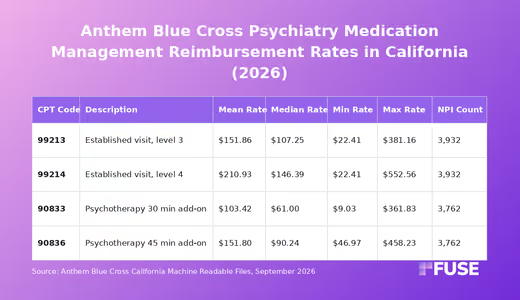
For most California primary care clinicians in the files, yes, by about three to one. We compared each clinician’s 99492 rate with their 99214 rate from the same three files, which we pulled for our Anthem psychiatry medication management rates in California page.
The largest fee schedule in the files covers 8,178 of these clinicians. It pays $314.14 for a first month of collaborative care and $101.22 for a 99214, about three-quarters of Medicare’s national rate of $135.61. One first month pays more than three of those visits.
Across all clinicians with a single rate for each code, the pattern holds:
- About 64% of clinicians. Their first month of collaborative care pays at least three times their 99214.
- About 55% of clinicians. Their 99214 pays less than Medicare. Their median 99492 rate is still $317.28.
The comparison is not like for like. A 99214 pays for the clinician’s own visit. Collaborative care pays for a team, and most of the work is done by the care manager. So the rate has to cover a salary and the psychiatric consultant, not just the clinician’s time.
What Does One Collaborative Care Patient Bring In Under Anthem’s Rates?
$1,729.28 over six months at Anthem’s medians, about twice the $885 Medicare pays nationally for the same months. That assumes a first month (99492) and five later months (99493). The California Quality Collaborative’s billing guide describes a typical episode as three to nine months.
A busy first month with one extra 30 minutes (99492 plus 99494) brings in $485.34. Our Anthem chronic care management rates in California page covers the other monthly care management codes.
The AIMS Center and the American Psychiatric Association put a full-time care manager’s caseload at 60 to 100 active patients. Ten Anthem patients in their later months bring in about $2,800 a month at the median 99493 rate. Against that, the practice pays the care manager and at least 3 hours a week of psychiatric consultant time for each full-time care manager.
How Much Care Manager Time Does Each Anthem Collaborative Care Code Need?
The treating clinician bills, usually in primary care, and each code counts the care manager’s time across the calendar month. The American Psychiatric Association’s billing FAQ applies the CPT time rule, which lets a code be billed once its time passes the halfway point. It notes that payer policies vary, so confirm the thresholds with Anthem:
- First month. Bill 99492 from 36 minutes. At 86 minutes, add one 99494.
- Later months. Bill 99493 from 31 minutes. At 76 minutes, add one 99494.
- Each further 30 minutes. Add another 99494. It is never billed alone.
The billing clinician can be a physician, nurse practitioner or physician assistant. The care manager tracks patients in a registry, uses rating scales such as the PHQ-9, and reviews the caseload with the psychiatric consultant every week.
Medicare’s behavioral health integration booklet (January 2026) bars billing 99484 in the same month as collaborative care for the same patient. Anthem’s files also price G2214, at a median of $88.56. G2214 is a Medicare code, so ask Anthem whether it accepts it on commercial claims before you bill a short month with it.
Can Behavioral Health Practices Bill Anthem for Collaborative Care?
Mostly no. The codes are billed by the clinician treating the patient, usually in primary care. Behavioral health clinicians fill the other two roles on the team:
- Psychiatrists and psychiatric nurse practitioners. They usually serve as the psychiatric consultant. Medicare does not expect psychiatrists to bill 99492 to 99494, because the consultant’s work is part of what those codes pay for. A consultant who sees the patient directly bills that visit separately.
- Therapists and psychologists. LCSWs, LMFTs, LPCCs and psychologists can serve as the care manager. They cannot bill the collaborative care codes themselves.
For a behavioral health practice, the opening is a contract with primary care. The primary care practice bills Anthem and pays your care manager or consultant time by contract. The rates above set how much that practice can afford to pay you. A psychiatrist can bill 99484 for lighter care management they deliver themselves.
What This Means for Your Practice
Read these numbers with care. They describe 70% of Anthem’s California plans from its September 2026 files, and a rate in a file does not guarantee a paid claim. Still, the pattern is strong. Anthem’s California contracts pay well above Medicare for collaborative care, even where they pay below Medicare for office visits.
Before you build or grow a program, check three things:
- Your own rates. Look up 99492, 99493 and 99494 in your Anthem contract and compare them with your 99214.
- Patient cost sharing. Each month is a separate claim, so a patient’s copay or deductible can apply every month. Explain this when you get consent.
- Your caseload math. A care manager needs a steady caseload to cover a salary and the consultant’s time.
Our guide to negotiating insurance contract rates covers how to raise a low rate with Anthem.
Once good rates are in place, Fuse helps make sure you actually get paid them. We check claims against your contracted rates and flag the gap between contracted and paid before it grows. Reach out if you’d like to chat.
Disclaimer: This article uses rate information from the Machine Readable Files that Anthem Blue Cross publishes under the federal Transparency in Coverage rule. These files are posted to satisfy the regulation, not to be read. The files behind this analysis unpack to 25 gigabytes of raw pricing data that no spreadsheet can open. Fuse built its own software to extract and verify the figures above. Medicare amounts are national 2026 physician fee schedule rates for offices. This analysis focuses on a single payer and three of its California rate files, and will not reflect rates from all available insurance options in California. Fuse makes every effort to provide accurate and current information, but healthcare pricing and coverage policy change frequently, and individual circumstances affect actual payment. This information does not guarantee specific pricing. Practices should verify current rates and coverage directly with Anthem before relying on them for billing or negotiation decisions.
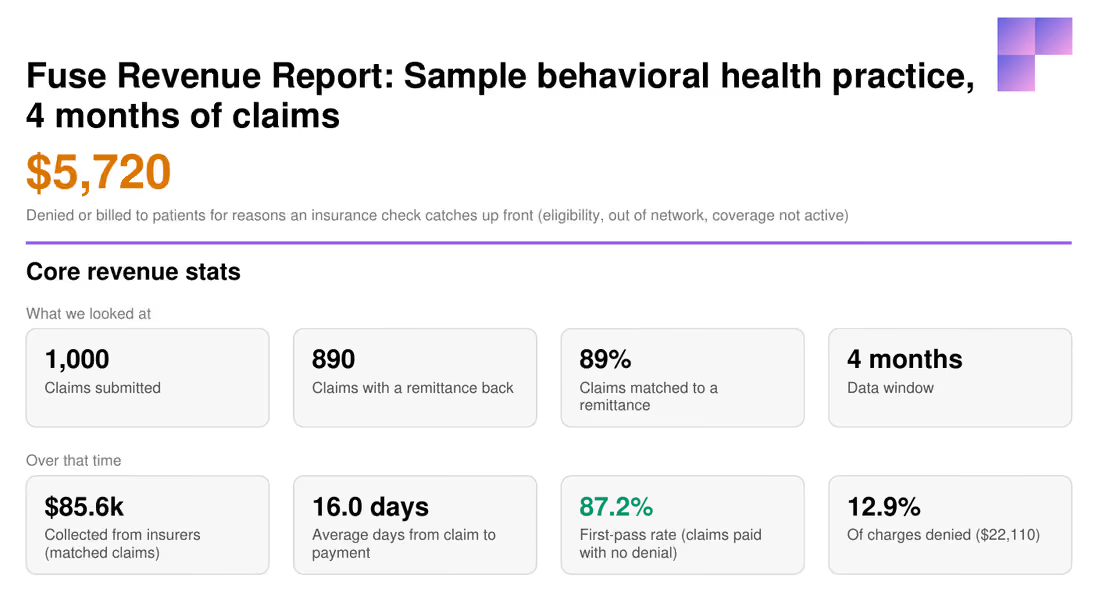
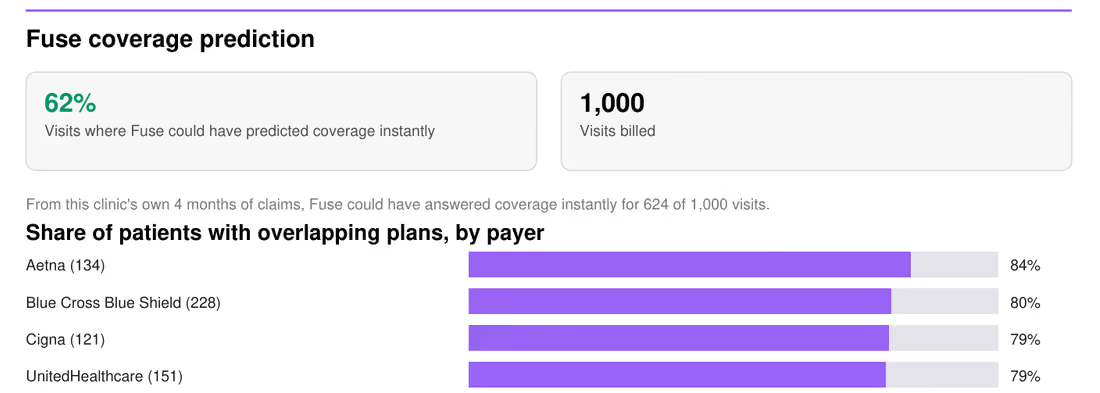

Fuse analyzes your claims data to estimate how many of your patients could qualify for collaborative care, benchmarks your contracted rates against the market medians, and shows what a care manager's caseload could bring in under your contracts.
Get Your Free AnalysisFAQs
Do Anthem patients owe a copay for collaborative care in California?
They can. Collaborative care is billed under the patient's medical benefit, so whether a copay or deductible applies depends on the plan. Each month is a separate claim, so cost sharing can apply every month the practice bills. Check the patient's benefits and explain the monthly charge when you ask for consent, so the first bill is not a surprise.
Can you bill chronic care management and collaborative care in the same month?
Medicare allows it when each service has its own consent and the same minutes are not counted twice. Medicare does not allow 99484 and collaborative care in the same month. We found no Anthem California policy on combining the two, so confirm with Anthem before you bill both for one patient.